Blog

  • Coste del Pasaporte de Vanuatu Todo lo que Necesitas Saber

    Coste del Pasaporte de Vanuatu

    El coste del pasaporte de Vanuatu se ha convertido en un tema de gran interés para muchas personas que consideran obtener la ciudadanía de este hermoso archipiélago. Ubicado en el suroeste del océano Pacífico, Vanuatu es conocido por su biodiversidad, sus playas vírgenes y su estilo de vida relajado. Este artículo analizará en profundidad todos los aspectos relacionados con el coste del pasaporte, los requisitos necesarios, y el proceso de obtención para ayudarte a tomar una decisión informada.

    1. Introducción a Vanuatu

    Vanuatu es un país insular que consiste en aproximadamente 83 islas, con una rica cultura y una historia única. Atrae a visitantes de todo el mundo gracias a su belleza natural y su popularidad como destino turístico. Sin embargo, también ha ganado atención por sus programas de ciudadanía económica, que permiten a los extranjeros obtener un pasaporte de Vanuatu, lo que les otorga beneficios significativos, como la libertad de viajar a múltiples países sin necesidad de obtener visado.

    2. Coste del Pasaporte de Vanuatu

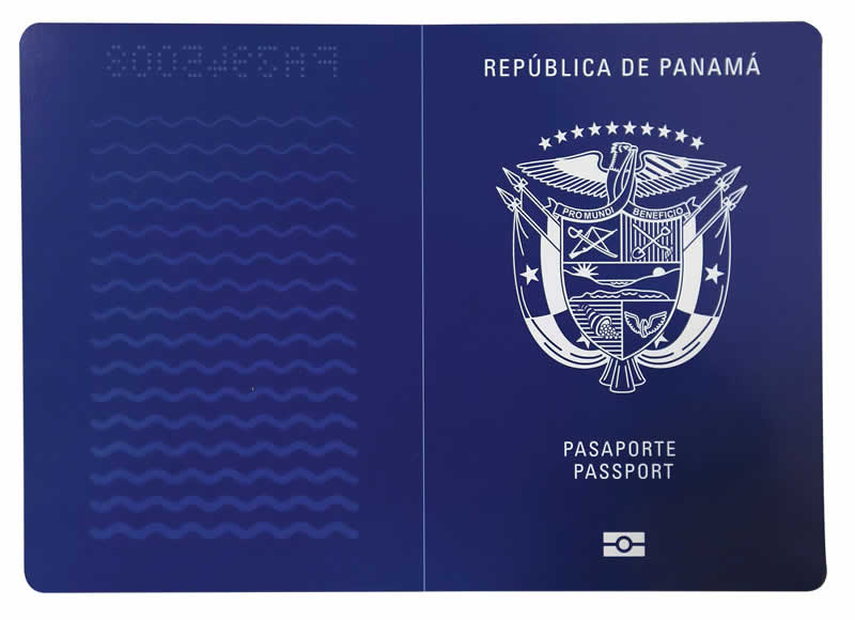
    El coste del pasaporte de Vanuatu puede variar dependiendo de varios factores. Entre los elementos que influyen en el precio se incluye la ruta elegida para obtener la ciudadanía, por ejemplo, a través de donaciones al fondo de desarrollo nacional o inversiones en bienes raíces.

    2.1 Ciudadanía por Donación

    Uno de los métodos más comunes para obtener un pasaporte de Vanuatu es a través de donaciones. El coste mínimo de la donación puede rondar los 130,000 dólares estadounidenses para una persona. Esta cantidad puede aumentar si el solicitante lleva a cabo el proceso junto con miembros de su familia. Cada miembro adicional puede requerir un pago adicional, que puede ser de hasta 25,000 dólares por cónyuge y 10,000 por cada hijo.
    2.2 Ciudadanía por Inversión

    Otra opción es obtener la ciudadanía mediante la inversión en activos como bienes raíces. El importe mínimo para esta modalidad puede comenzar en 200,000 dólares, pero hay que tener en cuenta que se necesitan cumplir con ciertos requisitos específicos y proveer documentación extensa para verificar la inversión.

    2.3 Costes Adicionales

    Además del coste base de la donación o inversión, el proceso de obtención del pasaporte puede implicar costes adicionales. Esto puede incluir tasas de procesamiento de solicitudes, honorarios legales, y cargos por la recopilación de documentación necesaria. En total, el coste final para obtener un pasaporte de Vanuatu puede llegar a ser considerablemente mayor de lo que inicialmente se prevé si se incluyen todos estos gastos.

    3. Requisitos para la Obtención del Pasaporte de Vanuatu

    Obtener un pasaporte de Vanuatu implica cumplir ciertos requisitos esenciales, que incluyen:

    • Ser mayor de edad y tener capacidad legal.
    • No haber tenido antecedentes penales en ningún país.
    • Proveer documentación completa que respalde la solicitud, que incluya pruebas de identidad y cónyuges o hijos.
    • Demostrar la fuente del dinero utilizado para la donación o inversión.

    Cumplir con estos requisitos es crucial para el éxito de la solicitud, pues cualquier error o falta de información puede resultar en demoras o denegaciones.

    4. Proceso de Solicitud

    El proceso de solicitud para obtener el pasaporte de Vanuatu generalmente sigue estos pasos:

    1. Seleccionar un agente autorizado que te guíe a lo largo del proceso.
    2. Completar el formulario de solicitud y adjuntar toda la documentación requerida.
    3. Realizar el pago correspondiente según el método elegido.
    4. Enviar la solicitud y esperar la aprobación, lo que puede llevar varios meses.
    5. Una vez aprobada, se te emitirá el pasaporte de Vanuatu.

    5. Ventajas de Tener un Pasaporte de Vanuatu

    La obtención de un pasaporte de Vanuatu ofrece diversas ventajas significativas:

    • Viajar sin visado a más de 130 países, lo que incluye a diversos países europeos.
    • Beneficios fiscales, ya que Vanuatu no tiene impuestos sobre ingresos globales.
    • Oportunidades de inversión en un entorno económico en crecimiento.
    • Acceso a un estilo de vida tranquilo y una flora y fauna increíble.

    6. Conclusión

    El coste del pasaporte de Vanuatu puede parecer elevado, pero las ventajas que ofrece justifican la inversión para muchos interesados. Si bien el proceso puede parecer arduo y complejo, con la asistencia adecuada, obtener la ciudadanía de Vanuatu y disfrutar de todos sus beneficios se convierte en una opción atractiva. Evaluar tanto las opciones de donación como las de inversión es fundamental para determinar la mejor ruta que se ajuste a tus necesidades y objetivos personales.


  • Can a Foreigner Obtain Vanuatu Citizenship

    Can a Foreigner Obtain Vanuatu Citizenship?

    With its stunning landscapes, welcoming culture, and liberal policies, Vanuatu has become an attractive destination for foreigners looking to obtain citizenship. Can a Foreigner Get Vanuatu Citizenship? is a question that has gained popularity among expatriates and business investors alike. This article will dive into the requirements and processes involved in obtaining Vanuatu citizenship, particularly for foreigners seeking to plant their roots in this picturesque island nation.

    Overview of Vanuatu

    Vanuatu is an archipelago located in the South Pacific Ocean, consisting of around 80 islands. Known for its beautiful beaches, vibrant marine life, and rich cultural heritage, Vanuatu has been ranked highly in global happiness indices. The country operates a dual legal system based on common law and customary law, enriching its unique identity. Specifically, the citizenship-by-investment program is a notable aspect that allows foreigners to acquire citizenship through financial contributions to the nation.

    Vanuatu Citizenship by Investment

    The most common pathway for foreigners to obtain Vanuatu citizenship is through the Citizenship by Investment Program (CBI). Launched in 2017, this program has made it easier for eligible applicants to gain citizenship through an economic contribution to Vanuatu. Here’s a breakdown of the process:

    Eligibility Requirements

    • Applicants must be over 18 years of age.
    • Must have no criminal record.
    • Must be in good health.
    • Must demonstrate the ability to make the required investment or donation.

    Investment Options

    Foreigners looking to apply for Vanuatu citizenship have several investment options to choose from:

    1. Donation to the Development Support Program: A minimum donation of around $130,000 for a single applicant, with additional fees for dependents.
    2. Real Estate Investment: Purchasing real estate valued at a minimum of $200,000 in approved developments.
    3. Business Investment: Investing a minimum amount in a local business sector.

    Application Process

    The application process for Vanuatu citizenship typically involves the following steps:

    1. Choose an Authorized Agent: Potential applicants must engage with an authorized agent registered under the Vanuatu Citizenship Commission. They will assist in preparing documentation and submitting applications.
    2. Submit Required Documentation: Applicants must provide important documents, including identification, health certificates, police clearance, and proof of the source of investment funds.
    3. Background Checks: The Vanuatu authorities will conduct thorough due diligence checks to assess the applicant’s background and eligibility.
    4. Approval and Payment: Once approved, applicants must make the necessary investment or donation before receiving their citizenship certificate.

    Benefits of Vanuatu Citizenship

    Obtaining Vanuatu citizenship can come with numerous advantages:

    • No income tax on worldwide income.
    • Visa-free travel to many countries, including the EU and UK.
    • Access to a high-quality lifestyle in a peaceful nation.
    • Possibility of obtaining second citizenship without renouncing first citizenship.

    Potential Challenges

    While the process of obtaining Vanuatu citizenship may seem straightforward, there are challenges that applicants may face:

    • Lengthy Processing Times: Depending on due diligence checks, the processing time may vary.
    • Investment Risks: Real estate investments can fluctuate based on market demand, posing a financial risk.
    • Documentation Requirements: Ensuring that documentation is accurate, complete, and submitted timely can be complex.

    Conclusion

    Vanuatu offers an appealing option for foreigners looking to acquire citizenship through its investment program. The combination of a low donation threshold and relatively fast processing times make it an attractive choice compared to other countries’ citizenship options. However, potential applicants should carefully consider the investment implications and engage with a qualified agent to guide them through the process. As the world continues to globalize, opportunities like these present themselves as viable pathways for individuals seeking new beginnings in a serene and picturesque environment.

  • Embracing Freedom The Vanuatu Passport for Digital Nomads

    Embracing Freedom: The Vanuatu Passport for Digital Nomads

    The world is increasingly embracing the rise of digital nomadism, where individuals can work remotely from anywhere, their lives dictated more by Wi-Fi availability than by geographical boundaries. For those looking to solidify their travel opportunities while enjoying tax benefits, obtaining a Vanuatu Passport for Digital Nomads can be one of the best decisions of their lives. Vanuatu, a beautiful archipelago in the South Pacific, provides an enticing option for remote workers and entrepreneurs. Let’s explore why this passport resonates so deeply with digital nomads and how it can transform your lifestyle.

    Understanding Vanuatu and Its Appeal

    Vanuatu is renowned for its stunning landscapes, vibrant culture, and diverse marine life. However, what truly makes it attractive for digital nomads is its impressive citizenship program, which allows foreigners to invest in the country in exchange for a passport. The Vanuatu passport offers numerous benefits that cater perfectly to the needs of those living a nomadic lifestyle.

    Benefits of the Vanuatu Passport for Digital Nomads

    1. Visa-Free Travel

    One of the standout features of the Vanuatu passport is the ability to travel to over 130 countries without the need for a visa. This includes popular destinations across Europe, Asia, and the Americas, allowing digital nomads the freedom to travel and work without the worry of visa restrictions. Such flexibility is invaluable for those looking to explore new cities while maintaining their professional commitments.

    2. Low Tax Environment

    Vanuatu is known for its favorable tax structure. There is no income tax, capital gains tax, or inheritance tax, making it an attractive option for digital nomads who may be managing multiple streams of income from various locations. This financial advantage allows them to save considerably and invest more in their travels and explorations.

    3. Fast Processing and Accessibility

    Obtaining a Vanuatu passport is a relatively straightforward process. The Vanuatu citizenship by investment program has a streamlined application procedure, often allowing successful candidates to receive their passports in as little as 1-2 months. For those who are eager to get underway with their global adventures, this efficiency is a significant draw.

    4. Security and Stability

    In a world where political instability can hinder travel options, Vanuatu offers a sense of security. The country enjoys political stability and an environment conducive to business and tourism. This stability translates into a reliable backdrop for digital nomads looking to build their lives abroad.

    How to Obtain a Vanuatu Passport

    The pathway to obtaining a Vanuatu passport typically involves making a financial contribution to a government-approved development fund. The minimum investment is often estimated around $130,000, although the exact amount may vary depending on changes in legislation and government policies.

    The application process includes the submission of necessary documents, background checks, and a thorough review by the authorities. Engaging a reputable consultant or agency can streamline this process, ensuring compliance with all requirements and expediting your application.

    The Lifestyle of a Digital Nomad in Vanuatu

    Living in Vanuatu offers an unparalleled lifestyle experience. The islands are famous for their friendly locals, breathtaking beaches, and outdoor activities. Digital nomads can indulge in snorkeling, hiking, and exploring the vibrant culture of the local communities.

    Additionally, Vanuatu’s expat community is growing. This provides numerous networking opportunities for remote workers to connect with like-minded individuals and collaborate on projects. The availability of coworking spaces and cafes with reliable internet access also make Vanuatu a conducive environment for remote work.

    Challenges of Living as a Digital Nomad in Vanuatu

    While Vanuatu offers numerous advantages, it’s important to be mindful of some challenges. Limited access to amenities compared to major cities may affect some digital nomads accustomed to urban conveniences. Power outages and slower internet speeds can pose potential disruptions, so planning work schedules around these issues is essential.

    Moreover, the geographical isolation can also result in higher costs for certain products and services. Understanding these facets will help digital nomads adapt and make the most of their experience in this stunning archipelago.

    Final Thoughts

    For those attracted by the allure of remote work and the freedom to explore the globe, obtaining a Vanuatu passport can offer an exceptional pathway to achieving this dream. With its rich culture, beautiful landscapes, and favorable economic conditions, Vanuatu stands out as a prime destination for digital nomads.

    The blend of breathtaking scenery, a warm climate, and a welcoming local community makes it an enticing place for individuals looking to embrace a flexible lifestyle. If you find yourself yearning for adventure while managing your work remotely, a Vanuatu passport might just be your ticket to living life on your own terms.

    In summary, consider the significant benefits, the straightforward acquisition process, and the lifestyle waiting in Vanuatu. The world of digital nomadism is vast, and with the right passport, you can unlock countless doors to explore it fully.

  • Navigating the OFAC Delisting Process Understanding SDN List Removal

    In recent years, the Office of Foreign Assets Control (OFAC) has gained significant attention for its role in enforcing economic and trade sanctions. When an individual or entity is placed on OFAC’s Specially Designated Nationals and Blocked Persons (SDN) List, it can have devastating effects on their operations, reputation, and financial stability. However, there is a pathway for those who believe they have been mistakenly designated or have taken steps to rectify their actions. This is known as the OFAC Delisting (SDN List Removal) OFAC Delisting (SDN List Removal) process. This article will detail the critical elements of OFAC delisting, including the criteria for removal and the steps involved in submitting a successful petition.

    Understanding the OFAC and the SDN List

    The Office of Foreign Assets Control is part of the U.S. Department of the Treasury. Its primary function is to implement and enforce economic sanctions against foreign adversaries and regimes that threaten U.S. national security, foreign policy, or economy. These sanctions are often in response to terrorism, drug trafficking, or proliferation of weapons of mass destruction.

    The SDN List encompasses individuals and entities that are prohibited from engaging in transactions with U.S. persons due to their alleged involvement in illegal activities or connections to sanctioned regimes. Being listed can lead to asset freezes and other financial prohibitions that can effectively immobilize a business or individual.

    Reasons for Delisting

    There are several reasons why an individual or entity may seek to be removed from the SDN List. These can include:

    • Error in Designation: Mistakes may occur, leading to wrongful listings.
    • Rectification of Behavior: Individuals or entities that have changed their behavior to comply with U.S. laws may seek removal.
    • Policy Changes: Changes in U.S. foreign policy or improvements in diplomatic relations with certain nations can result in delistings.

    The Delisting Process

    The delisting process is complex and requires careful attention to detail. Below are the essential steps involved in the process:

    1. Gather Necessary Documentation

    Before initiating the delisting process, applicants should collect all relevant documentation that supports their case. This may include evidence demonstrating compliance with U.S. laws, communications with U.S. authorities, or proof of a change in behavior that addresses the reasons for their designation.

    2. Submit a Request for Delisting

    Requests for delisting must be submitted through the Online OFAC Sanctions List Application. It is crucial to follow the guidelines provided by OFAC meticulously. This application typically requires detailed information about the individual’s or entity’s identity and the reasons for seeking removal from the list.

    3. Wait for Review

    After submission, OFAC will review the request. This can be a lengthy process, often taking several months. During this time, OFAC will assess the provided information to determine whether sufficient grounds exist for delisting the individual or entity.

    4. Compliance with OFAC

    Throughout the delisting process, it is essential to remain compliant with all OFAC regulations. Any violation during this period can negatively impact the outcome of the delisting request.

    5. Await Decision

    Once the review is completed, OFAC will make a decision regarding the delisting request. If an individual or entity is removed from the SDN List, they will receive confirmation from OFAC. Conversely, if the request is denied, the reasons for the denial will be communicated, and further action may be considered by the individual or entity.

    Challenges in the Delisting Process

    The path to delisting is fraught with challenges. Some of the common hurdles include:

    • Lack of Transparency: The reasons for the original listing may not be fully disclosed, making it difficult for the applicant to address concerns effectively.
    • Complex Legal Framework: Understanding the intricacies of sanctions law can be daunting for those without legal expertise.
    • Lengthy Process: The delisting review can take a considerable amount of time, impacting business operations.

    Legal Assistance in Delisting

    Given the complexities involved in the OFAC delisting process, many individuals and entities choose to seek legal assistance. Attorneys experienced in sanctions law can help craft robust delisting requests, navigate the intricacies of the process, and represent clients effectively.

    Legal professionals can provide insights into potential pitfalls and advise on strategies to enhance the chances of a successful delisting. Engaging a lawyer can thus be a significant advantage in overcoming the challenges associated with a request for removal from the SDN List.

    Conclusion

    While being placed on the OFAC SDN List can pose considerable challenges, the delisting process provides a route for remediation. A clear understanding of the requirements, adherence to compliance, and potentially engaging legal counsel can aid in successfully navigating this complex landscape. By following the outlined steps and addressing any concerns head-on, individuals and entities can strive for removal from the list and work towards restoring their reputations and operational capacities.

  • Championing Justice The Role of Human Rights Lawyers

    Championing Justice: The Role of Human Rights Lawyers

    Human rights lawyers play a critical role in defending the rights and freedoms of individuals everywhere. Their work often involves advocating for equality, justice, and the rule of law, making them indispensable in the fight against discrimination and oppression. Whether working within governmental frameworks or grassroots movements, these dedicated professionals ensure that the principles outlined in international treaties and conventions are upheld. If you are interested in learning more about this impactful field, visit human rights lawyer services and resources.

    The Importance of Human Rights Lawyers

    Human rights lawyers stand at the forefront of social justice, protecting vulnerable groups and individuals whose rights are under threat. Their work encompasses various issues, including civil liberties, environmental justice, refugees’ rights, and the rights of marginalized populations, among others. In recent decades, the role of a human rights lawyer has expanded to cover an increasing array of areas, often intersecting with other fields of law.

    Key Responsibilities

    The responsibilities of human rights lawyers can be wide-ranging and complex. Some of their primary duties include:

    • Legal Representation: Providing legal counsel and representation to victims of human rights abuses and unlawful discrimination.
    • Legal Advocacy: Advocating for policy changes that promote and protect human rights at local, national, and international levels.
    • Research and Documentation: Conducting thorough research on human rights violations and documenting evidence to support cases.
    • Public Awareness: Raising public awareness about human rights issues through education, media, and outreach activities.
    • Collaboration: Working with non-governmental organizations (NGOs), international bodies, and other stakeholders to further human rights initiatives.

    Skills Required for Human Rights Lawyers

    Human rights lawyers require a unique blend of skills to navigate the often challenging landscape of human rights law:

    • Empathy: A deep understanding of the human experience and the struggles faced by individuals is essential for effective advocacy.
    • Analytical Skills: The ability to analyze complex legal issues and interpret legislation critically.
    • Communication: Strong verbal and written communication skills to articulate legal arguments convincingly and advocate for clients.
    • Cultural Competence: Understanding diverse cultural backgrounds and sensitivities is essential when working with clients from various communities.
    • Negotiation: Skillful negotiation tactics are important for settling disputes and advocating for policy changes.

    Educational Pathways

    Becoming a human rights lawyer typically requires an extensive educational background in law. Prospective lawyers usually complete a bachelor’s degree followed by a Juris Doctor (J.D.) degree at an accredited law school. Some educational pathways may also recommend additional coursework or specialization in human rights law, international law, or public interest law.

    In many jurisdictions, a newly graduated lawyer must also pass a bar exam to practice law. Furthermore, internships with NGOs, government agencies, or international organizations can provide invaluabl

    e experience and networking opportunities in the field of human rights law.

    Challenges Faced by Human Rights Lawyers

    Despite their noble intentions, human rights lawyers often encounter significant challenges in their work:

    • Threats and Intimidation: Lawyers working on high-profile cases may face threats, harassment, or even violence from those seeking to silence them.
    • Legal Barriers: In some countries, laws may restrict the ability of lawyers to take on human rights cases, creating significant hurdles.
    • Emotional Toll: The nature of the cases often involves dealing with traumatic experiences, which can affect the mental health of lawyers advocating for justice.
    • Lack of Resources: Many human rights organizations operate on thin budgets, making it difficult to provide adequate support and resources to their legal teams.

    Success Stories

    Despite these challenges, human rights lawyers have achieved significant successes around the world. From challenging unjust laws to winning landmark cases that protect the rights of individuals, their impact is profound. For instance, many lawyers have played pivotal roles in dismantling apartheid in South Africa, advocating for the rights of refugees, and holding governments accountable for violations of international law.

    The Future of Human Rights Law

    The future of human rights law remains uncertain but promises to evolve in response to emerging challenges such as climate change, technological advancements, and global migration trends. Human rights lawyers will be central to addressing these issues, advocating for policies that uphold the dignity and rights of all individuals.

    As societies continue to grapple with issues of justice and equity, the role of human rights lawyers will remain more important than ever. Their courage and commitment serve as a beacon of hope for countless individuals striving for justice and equality around the world.

    Conclusion

    Human rights lawyers are crucial players in the ongoing battle for justice and equality across the globe. As champions of civil liberties, their tireless efforts help protect the rights of the most vulnerable members of society. The road ahead may be fraught with challenges, but the impact of their work will resonate for generations to come, inspiring future advocates to continue the fight for human rights.

  • Evaluating the Worth of Nauru Citizenship Pros and Cons

    Is Nauru Citizenship Worth the Investment?

    If you’re considering acquiring a second citizenship, you may have come across Nauru. This tiny island nation in Micronesia has increasingly become a subject of interest for those seeking alternative citizenship routes. But is Nauru citizenship worth the investment? In this article, we delve into the merits and drawbacks of obtaining citizenship in Nauru, exploring various factors including economic opportunities, lifestyle, and legal implications. For more insights, you can also check out Is Nauru Citizenship Worth the Investment?.

    Overview of Nauru

    Nauru is one of the smallest countries in the world, both in terms of land area and population. Situated in the Pacific Ocean, it covers just 21 square kilometers and is home to approximately 10,000 residents. Despite its small size, Nauru boasts a rich history and unique culture that appeals to many looking for new opportunities. The country was once known for its phosphate mining, which significantly contributed to its economy, although this industry has diminished over time.

    Process of Acquiring Nauru Citizenship

    Becoming a citizen of Nauru involves navigating a fairly straightforward process. Generally, eligibility criteria require applicants to invest in the country, with options often available for financial or business investments. As of the current regulations, the typical investment requirement ranges from $10,000 to $100,000, plus additional fees for application processing. Applications are reviewed by the Nauruan government, and potential citizens must adhere to specific guidelines for successful approval.

    Pros of Nauru Citizenship

    1. Visa-Free Travel

    One of the most appealing incentives of obtaining Nauru citizenship is enhanced travel freedom. Nauru provides its citizens with visa-free or visa-on-arrival access to numerous countries, making it an attractive option for frequent travelers. This level of mobility is especially beneficial for those who may face travel restrictions in their home countries.

    2. Tax Advantages

    Nauru has a favorable tax regime that can appeal to individuals looking to minimize their tax obligations. With no personal income tax, citizens benefit from retaining a larger portion of their earnings. This tax structure makes Nauru an intriguing choice for entrepreneurs and investors seeking to optimize their tax planning strategies.

    3. Political Stability

    In recent years, Nauru has maintained relative political stability compared to other nations in the Pacific region. This stability can offer a sense of security for investors and citizens alike. The Nauruan government actively encourages foreign investment, which can further support economic growth and development of infrastructure.

    4. Quality of Life

    Though small, Nauru has a unique charm with its beautiful beaches and laid-back lifestyle. The island’s culture and community offer a rich experience for those who value tranquility and a close-knit society. For many, the quality of life in Nauru presents a stark contrast to the hustle and bustle of urban living experienced in larger nations.

    Cons of Nauru Citizenship

    1. Limited Economic Opportunities

    While Nauru offers tax advantages, the economic opportunities within the country are limited. The population relies heavily on a handful of industries, and job prospects may not match those available in more developed nations. This limitation can pose a significant challenge for individuals seeking robust employment opportunities.

    2. Infrastructure Challenges

    The infrastructure in Nauru may not meet the standards of larger, more developed countries. Access to healthcare, education, and other essential services can sometimes be inadequate. This is an essential consideration for individuals with families or those who may require specific services.

    3. Cultural Adaptation

    Moving to a small island nation requires cultural adjustment. While the community is welcoming, unfamiliar customs and social norms may pose initial challenges for newcomers. Integrating into a tightly-knit community can take time, especially for those from diverse backgrounds.

    4. Environmental Vulnerability

    Nauru is facing significant environmental challenges, including rising sea levels and climate change impact. As a low-lying island, the risks associated with environmental changes can affect long-term residency viability. Prospective citizens should be aware of these risks when considering their investment.

    Final Thoughts

    In conclusion, Nauru citizenship presents both advantages and disadvantages that prospective citizens must carefully evaluate. For those seeking visa-free travel, tax benefits, and a peaceful lifestyle, Nauru may appear to be an attractive option. However, the limited economic opportunities, infrastructure concerns, and environmental challenges warrant thorough research and consideration before making a decision.

    Before pursuing citizenship, it can also be beneficial to consult with legal professionals or experts who specialize in immigration and citizenship matters. Weighing the pros and cons is crucial to determine whether Nauru is the right option for you or your family.

    Ultimately, the question “Is Nauru Citizenship Worth the Investment?” does not have a one-size-fits-all answer. It heavily depends on individual circumstances, priorities, and long-term goals.

  • Frozen Assets Recovery Your Path to Regaining Control

    Understanding Frozen Assets Recovery

    In today’s financial landscape, the issue of frozen assets has become increasingly prevalent. Individuals and businesses may find their financial resources frozen due to various reasons, such as sanctions, legal disputes, or government investigations. Recovering these assets can be a complex process that requires a thorough understanding of the legal framework governing asset freezes. This article aims to provide insights into frozen assets recovery, outlining the steps involved and the importance of consulting professionals like Frozen Assets Recovery Sanctions Lawyers for effective guidance.

    What Are Frozen Assets?

    Frozen assets refer to financial resources that have been legally restricted from being accessed or utilized by their owner. This typically includes bank accounts, investments, and properties. Asset freezes can occur for a variety of reasons, including:

    • Compliance with sanctions imposed by governments or international bodies.
    • Legal issues such as court orders or judgments.
    • Investigations related to criminal activities or fraud.

    Why Assets Are Frozen

    The freezing of assets often serves as a precautionary measure taken by authorities to prevent the dissipation of funds that may be subject to legal claims or sanctions. For instance, if an individual or entity is suspected of financing terrorism, the government may impose sanctions that lead to the freezing of their assets. This not only aims to prevent further illegal activities but also protects the financial system as a whole.

    The Impact of Frozen Assets

    The implications of having assets frozen can be severe. Individuals may find themselves unable to pay for essential services or fulfill obligations, while businesses may face disruptions in operations and potential bankruptcy. In some cases, a frozen asset may represent a significant portion of an individual’s or company’s financial stability. Thus, recovering these assets becomes a priority for affected parties.

    Steps to Recover Frozen Assets

    The process of recovering frozen assets can vary significantly depending on the reasons behind the freeze and the jurisdiction involved. However, the following steps are commonly applicable:

    1. Identify the Reason for the Freeze

    Understanding why your assets were frozen is crucial. This step involves reviewing any legal documents received and seeking clarification from financial institutions when necessary. Knowing the context can help shape your recovery strategy.

    2. Consult with Legal Professionals

    Engaging with legal professionals, such as Sanctions Lawyers, can be instrumental in navigating the complexities of asset recovery. They possess the expertise to interpret legal frameworks and represent your interests effectively.

    3. Gather Documentation

    Compile relevant documentation that supports your case. This may include financial statements, correspondence with financial institutions, legal notices, and any other pertinent information that demonstrates the legitimacy of your claim to the assets.

    4. File Necessary Motions or Applications

    Depending on the nature of the asset freeze, legal professionals may need to file motions or applications with the court or relevant authorities to lift the freeze. This may involve arguing your case in front of a judge or negotiating with regulators.

    5. Negotiate or Comply

    In some cases, negotiations can lead to a settlement that allows for the partial or full release of the frozen assets. Alternatively, you may need to comply with specific requirements set forth by authorities before regaining access to your funds.

    Challenges in Asset Recovery

    The path to recovering frozen assets is often fraught with challenges. Legal proceedings can be time-consuming, costly, and emotionally draining. Additionally, the complexity of sanctions laws means that recovery efforts must be conducted meticulously to avoid further complications or legal repercussions.

    Importance of Professional Guidance

    Given the challenges associated with frozen assets recovery, seeking guidance from professionals is crucial. Legal experts specializing in sanctions law can provide clarity on the applicable regulations, necessary steps for recovery, and potential outcomes. Moreover, their experience in negotiating with authorities can significantly enhance the chances of a favorable resolution.

    Conclusion

    Recovering frozen assets is an intricate process that demands careful planning, proper documentation, and legal expertise. Individuals and businesses facing this challenge should not navigate it alone; seeking assistance from professionals can make a significant difference in the outcome. By gaining a clear understanding of the reasons for the freeze and leveraging expert guidance, affected parties can take meaningful steps towards regaining access to their financial resources.

    Take Action Now!

    If you find yourself struggling with frozen assets, take the first step toward recovery by consulting with a qualified legal professional today. The sooner you act, the better positioned you will be to resolve your situation and regain control of your finances.

  • Comprehensive Guide to the Sao Tome Citizenship Application Process

    Understanding the Sao Tome Citizenship Application Process

    The Sao Tome Citizenship Application Process is an intriguing journey for many individuals seeking new opportunities and a fresh start in life. This beautiful nation, located in the heart of Africa, offers a wealth of cultural richness and attractive benefits for those who choose to obtain citizenship. In this comprehensive guide, we’ll explore the various aspects of the application process, the requirements, the key benefits of acquiring citizenship, and tips for ensuring a successful application.

    What is Sao Tome and Principe?

    Sao Tome and Principe is an island nation situated near the equator, approximately 300 kilometers off the western coast of Central Africa. Comprising two main islands and several smaller ones, this country is renowned for its stunning landscapes, diverse ecosystems, and vibrant cultural heritage. Its strategic location and rich natural resources have made it an increasingly attractive destination for investors and expatriates alike.

    Why Consider Citizenship in Sao Tome?

    The decision to apply for citizenship in Sao Tome and Principe can be motivated by various factors. Some of the primary reasons include:

    • Access to a stable and growing economy.
    • Visa-free travel to numerous countries, enhancing global mobility.
    • Possibility of dual citizenship and favorable taxation conditions.
    • Immersing oneself in a rich cultural experience surrounded by breathtaking natural beauty.

    Eligibility Requirements for Citizenship Application

    Like many countries, Sao Tome and Principe has specific eligibility criteria that applicants must meet to be considered for citizenship. Below are the general requirements:

    • Applicants must be at least 18 years old.
    • Demonstrable financial stability and the ability to support oneself and dependents.
    • Good moral character and a clean criminal record.
    • Knowledge of the Portuguese language and basic information about Sao Tome and Principe.
    • A willingness to embrace the culture and values of the nation.

    Application Process: Step by Step

    The application process for obtaining citizenship in Sao Tome and Principe involves several key steps:

    Step 1: Preparing Your Documentation

    Before starting the application, gather all necessary documents. Typical documents required include:

    • A valid passport and identification documents.
    • Birth certificate.
    • Proof of residence in Sao Tome, if applicable.
    • Financial statements or proof of income.
    • Criminal background check from your home country.

    Step 2: Submitting Your Application

    Once you have all your documents ready, the next step is to submit your application. Ensure that you fill in all forms correctly to avoid delays. You may submit your application in person or utilize an authorized representative for convenience.

    Step 3: Interview Process

    After submitting your application, you may be required to attend an interview. This interview typically assesses your motivation for applying, knowledge of Sao Tome culture and language, and overall fit for citizenship. Prepare thoroughly to confidently express your intentions.

    Step 4: Awaiting Approval

    The processing time for citizenship applications can vary significantly, ranging from a few weeks to several months. During this period, the authorities may conduct additional background checks or request further documentation.

    Step 5: Approval and Receiving Citizenship

    If your application is approved, you will receive a certificate of citizenship. This certificate is a crucial document that grants you the rights and privileges associated with being a citizen of Sao Tome and Principe.

    Benefits of Obtaining Sao Tome Citizenship

    Acquiring citizenship in Sao Tome and Principe comes with numerous benefits:

    • Permanent residence in a picturesque island nation.
    • Access to healthcare and education systems within the country.
    • The right to work, live, and invest in Sao Tome and Principe.
    • Potential for tax incentives and benefits.
    • A chance to explore the rich history and culture of this unique nation.

    Conclusion

    The Sao Tome Citizenship Application Process may seem daunting at first, but with the right preparation and understanding, it can be a rewarding endeavor. By fulfilling the eligibility requirements and following the outlined steps, applicants can successfully navigate this process and enjoy the myriad benefits of becoming a citizen of Sao Tome and Principe. Whether you are seeking new opportunities, a second home, or simply wish to immerse yourself in a vibrant culture, Sao Tome offers an enticing path forward.

  • Comprehensive Guide to Vanuatu Passport Visa-Free Countries 949014968

    Explore Visa-Free Travel with a Vanuatu Passport

    If you are considering the advantages of holding a Vanuatu passport, you will be pleased to know that it offers remarkable benefits in terms of travel freedom. The Vanuatu Passport Visa-Free Countries List 2026 illustrates this advantage, providing a comprehensive look at the destinations that are accessible without the need for a visa. In this article, we will delve into the significance of a Vanuatu passport, its benefits, and the numerous countries you can explore without the usual visa constraints.

    The Benefits of Holding a Vanuatu Passport

    Vanuatu, an archipelago located in the South Pacific Ocean, has become increasingly popular as a country to obtain citizenship due to its relatively streamlined process and the significant travel freedom it offers. A Vanuatu passport allows its holders to enjoy several advantages:

    • Visa-Free Travel: One of the most attractive features of the Vanuatu passport is the ability to travel to many countries without needing a visa. This greatly simplifies travel planning and opens up opportunities for spontaneous trips.
    • Dual Citizenship: Vanuatu allows dual citizenship, meaning you can maintain your original citizenship while enjoying the benefits of a Vanuatu passport.
    • Tax Benefits: Vanuatu has no capital gains tax, inheritance tax, or income tax on foreign income, making it an attractive option for those looking to manage their finances efficiently.
    • Safe and Peaceful Environment: Vanuatu is known for its political stability and safety, making it a great place for both residence and travel.
    • Quick Processing Time: The citizenship process in Vanuatu is relatively straightforward and can often be completed in a matter of months.

    Visa-Free Countries for Vanuatu Passport Holders in 2026

    The Vanuatu passport grants its holders access to a host of countries worldwide without the complicated and often time-consuming visa application processes. Here’s a look at some key areas and countries that Vanuatu passport holders can explore visa-free:

    Oceania

    In Oceania, Vanuatu passport holders can visit:

    • Australia
    • New Zealand
    • Samoa
    • Tonga
    • Fiji

    Asia

    In Asia, the visa-free countries include:

    • Indonesia
    • Hong Kong
    • Malaysia
    • Singapore
    • Philippines
    • Thailand

    Europe

    Vanuatu passport holders can also explore various European destinations, including:

    • United Kingdom
    • Serbia
    • Turkey
    • Georgia
    • Albania

    Americas

    In the Americas, you can travel to countries such as:

    • Brazil
    • Argentina
    • Chile
    • Peru

    Africa

    Vanuatu passport holders have access to several destinations in Africa, including:

    • Seychelles
    • Morocco
    • South Africa

    Traveling Visa-Free: Considerations

    While traveling visa-free is a wonderful benefit, it is essential to keep a few considerations in mind:

    • Check Entry Requirements: Even though a visa may not be required, it’s crucial to check each country’s entry requirements, such as proof of onward travel and accommodation.
    • Stay Informed: Entry regulations can change, so staying updated on the latest information regarding travel restrictions is vital for seamless travel.
    • Duration of Stay: Understand the permitted duration of stay in each visa-free country to avoid overstaying. Exceeding the allotted time can have consequences on future travel.

    Conclusion

    In conclusion, obtaining a Vanuatu passport presents numerous travel benefits, including access to many visa-free destinations. The ability to journey to multiple countries without a visa simplifies the travel experience significantly, allowing for more spontaneous plans. With its favorable travel agreements, Vanuatu provides an attractive option for those seeking a global passport. The Vanuatu Passport Visa-Free Countries List 2026 is a testament to the travel freedom offered to its passport holders, making it an appealing choice for adventurous souls looking to explore the world without the usual visa constraints.

  • Exploring Citizenship in Nauru Can Foreigners Secure It

    Can a Foreigner Get Nauru Citizenship?

    Many individuals worldwide dream of relocating to a different country, and the small island nation of Nauru, located in the Pacific Ocean, is an intriguing option. With its stunning landscapes and unique culture, it attracts foreigners who are curious about its lifestyle and perhaps looking to acquire citizenship. However, Can a Foreigner Get Nauru Citizenship? The process is not straightforward. This article delves into what foreigners need to know about acquiring citizenship in Nauru.

    Brief Overview of Nauru

    Nauru is one of the smallest countries in the world, with an area of just 21 square kilometers (8.1 square miles) and a population of approximately 10,000 people. Known for its rich phosphate deposits and unique biodiversity, Nauru offers a serene lifestyle away from the bustling cities. However, its citizenship laws are quite stringent, reflecting the country’s desire to maintain its demographic balance.

    Eligibility for Nauru Citizenship

    To understand if a foreigner can obtain citizenship in Nauru, it is important to analyze the eligibility criteria set by the government. Primarily, there are a few pathways through which a foreign national may seek to become a citizen of Nauru:

    • Naturalization: Foreigners who have lived in Nauru for a significant period may apply for citizenship through naturalization, usually requiring a minimum of 10 years of continuous residency.
    • Descent: Individuals with Nauruan ancestry may be eligible for citizenship by descent, provided they can prove their lineage.
    • Marriage: Foreigners married to Nauruan citizens may apply for citizenship after a set number of years of marriage and residency in the country.

    Application Process

    The process for applying for citizenship in Nauru is relatively complicated and requires careful preparation of documents. Here’s a general outline of the steps involved:

    1. Gather Documentation: Applicants need to gather various documents, including identification proofs, residence permits, and marriage certificates (if applicable).
    2. Residency Requirement: Ensure you meet the residency requirement. Continuous residency for 10 years denotes that you have assimilated into Nauruan society.
    3. Complete Application Form: Obtain and fill out the citizenship application form, making sure to provide truthful and complete information.
    4. Submit Application: Submit the application along with the necessary documentation to the Nauru Citizenship Office.
    5. Await Response: After submission, applicants will be notified of the outcome, which can take several months.

    Challenges in the Application Process

    While the idea of obtaining Nauru citizenship might seem appealing, there are several challenges that applicants may face:

    • Strict Regulations: The Nauruan government imposes strict regulations on immigration and citizenship to protect its cultural identity.
    • Complex Documentation: The required documentation can be extensive and may require verification from various authorities, which can prolong the process.
    • Limited Resources: Given Nauru’s small size and limited population, resources at governmental offices may be constrained, affecting processing times.

    Rights and Privileges of Nauru Citizens

    Successful applicants for Nauru citizenship can enjoy several rights and privileges, including:

    • The right to reside and work in Nauru without restrictions.
    • The ability to own property in Nauru, which is not permitted for non-citizens.
    • Access to public services, including education and healthcare.
    • The ability to apply for a Nauru passport, facilitating travel and entry into various countries.

    No Guarantee of Citizenship

    It is vital to note that despite meeting the eligibility criteria, there is no guarantee that an application will be accepted. The government of Nauru retains discretion in granting citizenship. Therefore, providing thorough and complete documents along with a compelling representation of your connection to Nauru is crucial.

    Alternative Routes to Nauru

    For those who might not want to go through the citizenship application, Nauru offers different types of visas for foreigners:

    • Tourist Visa: A short stay visa for individuals wishing to explore Nauru.
    • Business Visa: For foreign entrepreneurs or investors looking to establish a business in Nauru.
    • Student Visa: For those who wish to study in one of Nauru’s educational institutions.

    Running parallel to the citizenship route, these visas provide limited but possible avenues for foreigners interested in Nauru.

    Conclusion

    In summary, while it is indeed possible for foreigners to acquire Nauru citizenship, the process is fraught with challenges and requires a significant commitment to living in the country. Whether through naturalization, descent, or marriage, potential applicants must prepare for a long journey with no guaranteed outcome. Those interested must ensure an understanding of the laws and regulations regarding Nauru’s citizenship, and adequately prepare their documentation for a smoother process.